
ISOCLAY® Clay Foam Insulation
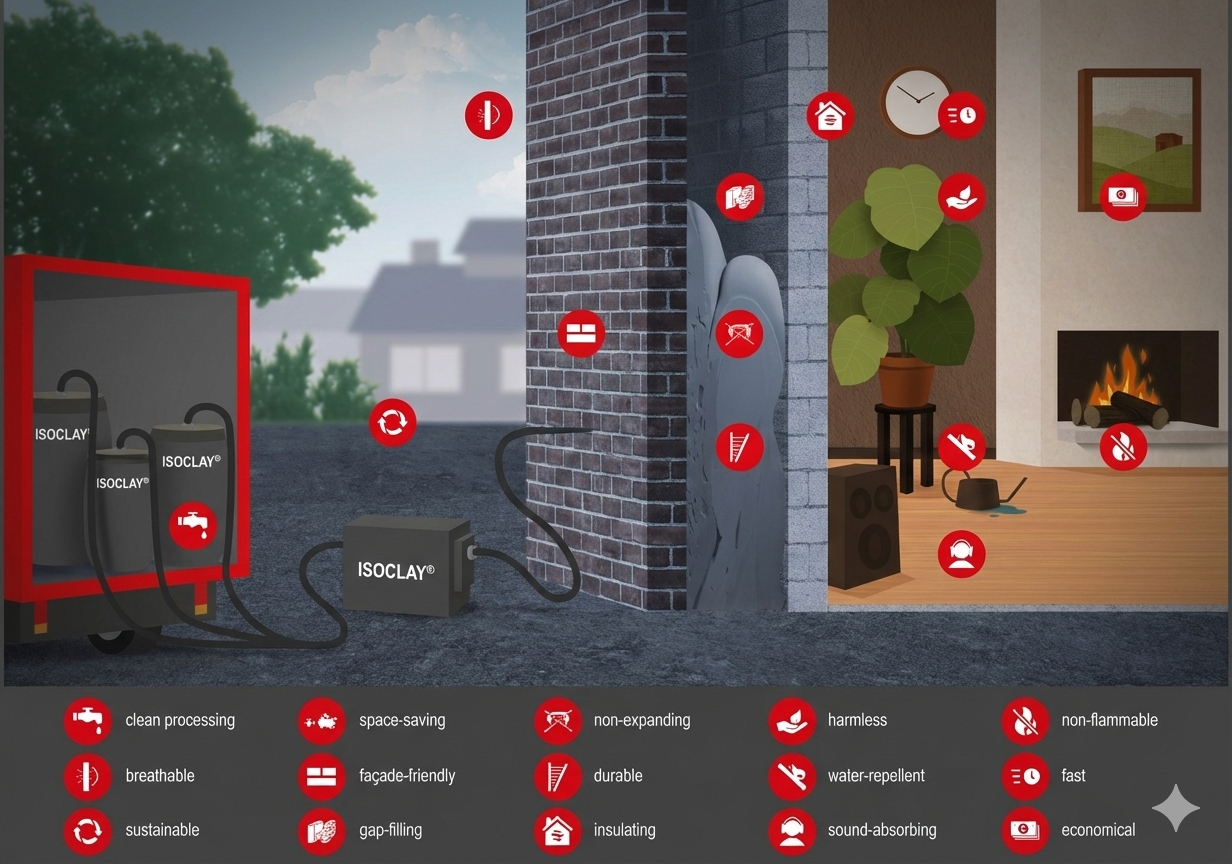
ISOCLAY® is a mineral, non-combustible insulation material designed for simple, fast and clean cavity wall insulation. Installed in-situ, it creates a seamless fill that helps improve thermal performance and supports long-term comfort.
When clay, water, air, and our technology come together, something unique is created: clay foam. A versatile insulation solution that effortlessly fills even the smallest cavities.
Easy application and seamless cavity filling
The ISOCLAY® system combines the advantages of mineral insulation with a simple, safe and clean foam application. Water-based components are handled without dust or fibres and, when expanded with air, create around ten times the original volume. The fresh foam is injected through small filling holes into the cavity, where it does not keep expanding or build up internal pressure. Its flow properties allow it to spread evenly and fill the cavity seamlessly, even in varying thicknesses and tight spots.
Self-sealing foam with strong insulation performance
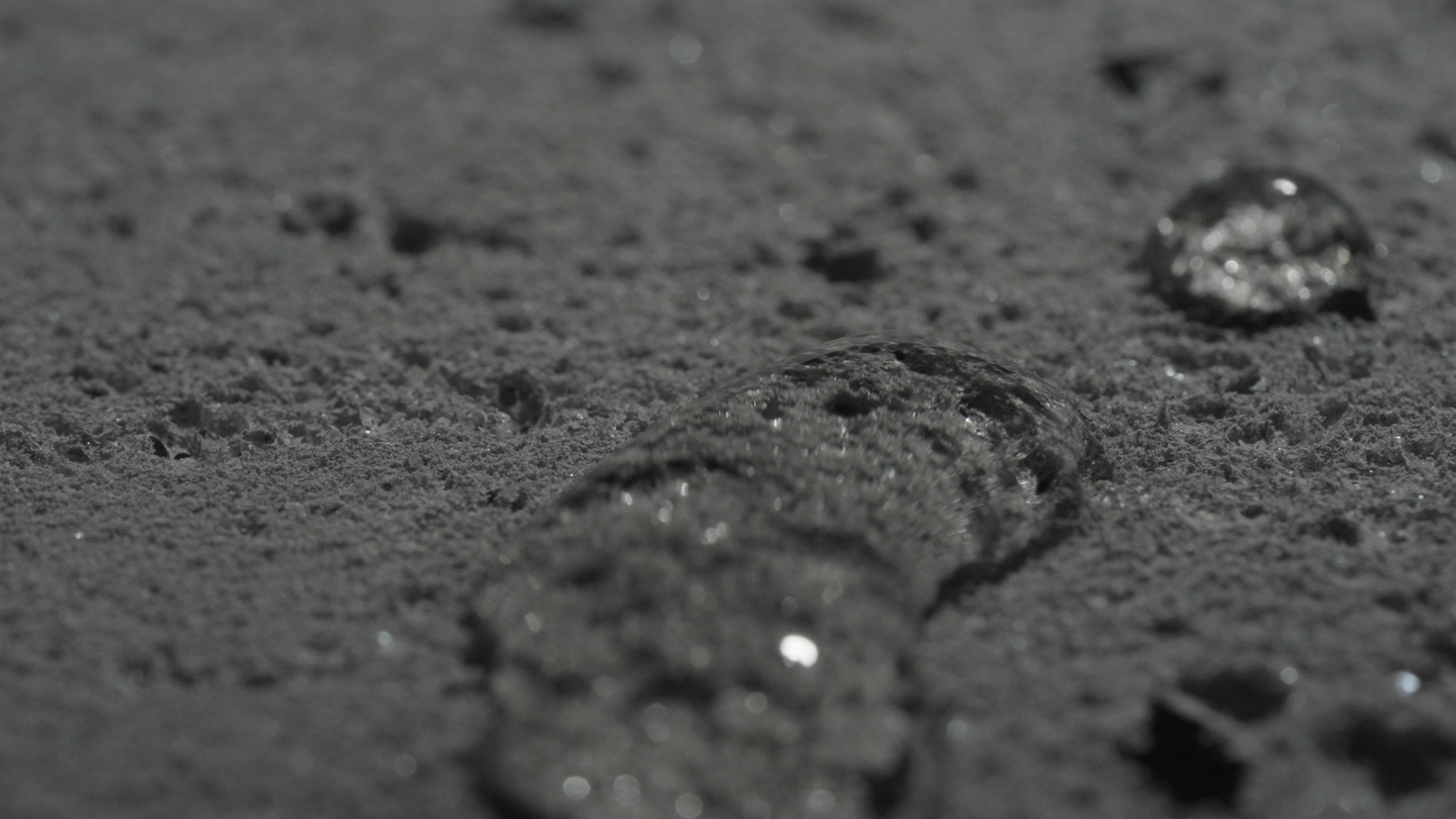
The foam is self-sealing, helping to prevent material from escaping through small holes or cracks in the masonry. In most cases, no additional pre-work or rework is needed. Even while fresh, it already provides good insulation. During drying, the breathable foam releases moisture as water vapour without damaging the structure. Once fully dry, it reaches its optimal thermal performance and can also noticeably reduce ambient noise.
Sustainable insulation across the full life cycle
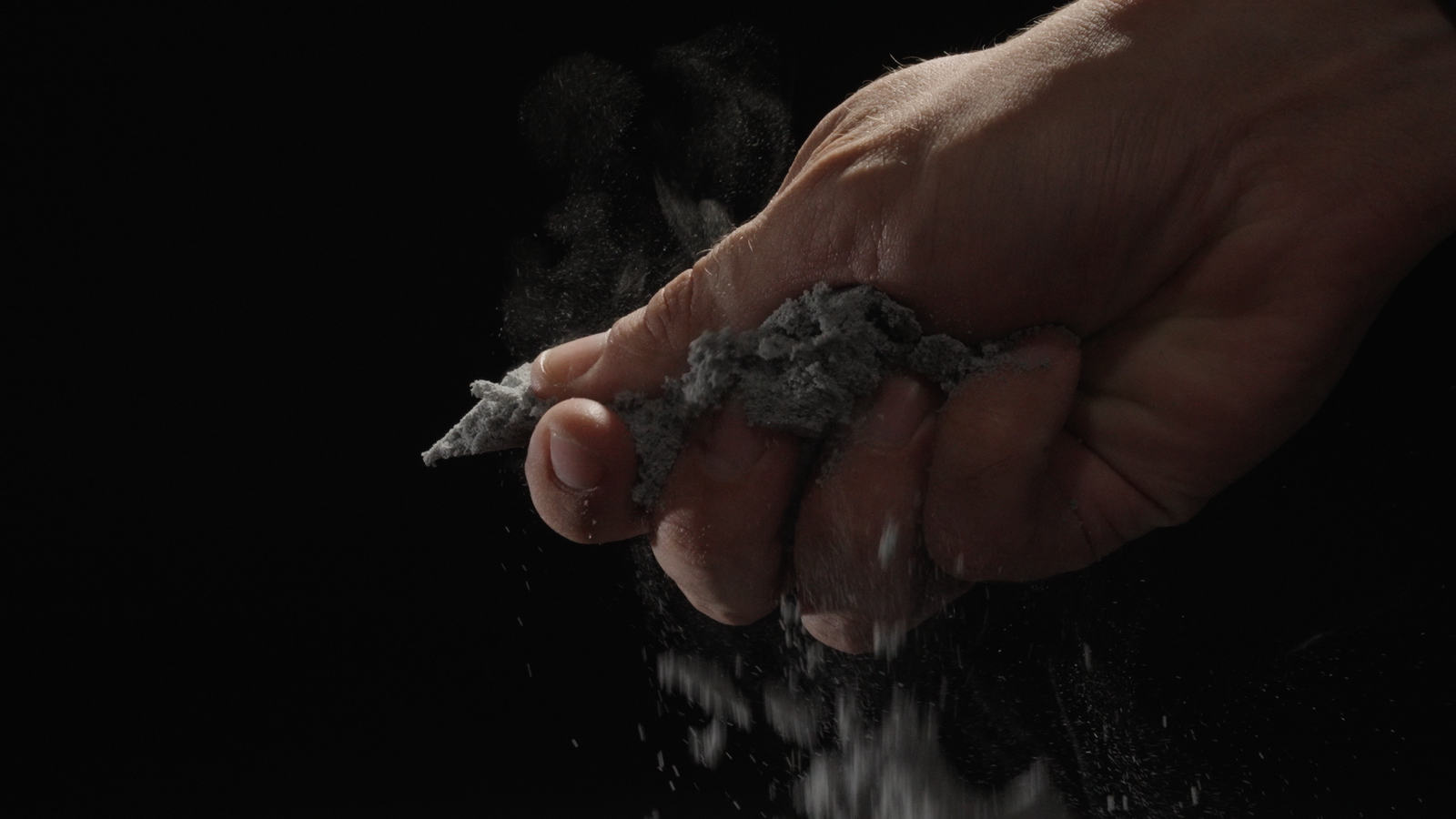
Once cured, the foam has a low bulk density and adheres to internal wall surfaces, helping prevent sagging over time. It is hydrophobic and does not absorb liquid water, while remaining open to vapour diffusion through its pore structure. This allows it to absorb and release moisture and adapt to changing conditions, supporting a healthier indoor climate. With a high share of inorganic components, the dried material is non-combustible and can typically be disposed of with construction waste during demolition, or reused as sub-base material.
How ISOCLAY® is installed
A clear process, trained professionals, reliable results. Whether your project is in Belgium or Luxembourg, we make sure your building is insulated professionally, efficiently and cleanly. Our approach follows the same structured process for every project and is designed to ensure quality at every stage.

step 1
On-site consultation and assessment
First, we have a personal consultation to discuss your needs. We then inspect the condition of the building, especially the cavity between the two masonry leaves. We examine selected areas, identify any obstacles, and determine the required insulation thickness. Based on this, we provide a tailored, transparent quotation.
step 2
Preparation and drilling pattern
Once you decide to proceed, we prepare the façade. Small drill holes, 12 to 15 mm in diameter, are made in the mortar joints at intervals of around 1 metre, neatly and without damaging the material. The insulation is later injected through these openings.
step 3
Installation of the insulation material
The ISOCLAY® foam is then injected into the cavity using a nozzle. Thanks to its flow properties, it spreads evenly, even through narrow passages, ensuring a complete fill without thermal bridges. The injection process is continuously monitored using an endoscope camera.
step 4
Careful joint sealing
After installation, all drill holes are sealed with mortar in the original colour, preserving the appearance of the façade.
step 5
Final inspection and report
At the end of the project, we carry out a joint inspection. You receive a quality report with all relevant data, including photos of the insulation inside the wall.
step 6
Feedback and closing
Your satisfaction matters to us, not only with the result, but also with the process. That is why we take time for questions, feedback, and a clear wrap-up.
step 1
On-site consultation and assessment
First, we discuss your needs and inspect the building, especially the cavity between the two masonry leaves. We identify any obstacles and determine the required insulation thickness. Based on this, we prepare a clear and tailored quotation.
step 2
Preparation and drilling pattern
Once approved, we prepare the façade. Small drill holes, typically 12 to 15 mm in diameter, are made neatly in the mortar joints. These openings are used to inject the insulation into the cavity.
step 3
Installation of the insulation material
The fresh foam is injected directly into the cavity through a nozzle. Thanks to its flow properties, it spreads evenly and fills the cavity without creating damaging internal pressure. The process is monitored throughout.
step 4
Careful joint sealing
After installation, all drill holes are sealed in a matching mortar colour so the façade appearance is preserved as much as possible.
step 5
Final inspection and report
At the end of the project, we carry out a final inspection together. You receive a report with the key project information and documentation.
step 6
Feedback and closing
Your satisfaction matters to us. That is why we always leave room for questions, feedback and a clear handover at the end of the project.
Frequently Asked Questions
It is designed for energy-efficient renovation and can contribute to reduced energy use. Environmental documentation (e.g., EPD) is available if applicable.
It is injected into the cavity through small drill holes in the mortar joints. The material forms in-situ and fills the cavity evenly. Drill holes are sealed in the original mortar colour to preserve the façade’s appearance as much as possible.
ISOCLAY® is low-emitting. Refer to the product documentation and emission certificates available in the downloads section.
ISOCLAY® is mineral-based and non-combustible, with a reaction-to-fire classification used for high fire-safety requirements (provide exact class on your tech page).
The foam is designed to spread and set without creating damaging expansion pressure when installed correctly.
ISOCLAY® is water-repellent and vapour-permeable, but suitability depends on wall condition and exposure. A cavity assessment is always recommended.
It fills the cavity seamlessly, helping reduce heat loss and unwanted air movement, which can improve thermal comfort and reduce draughts.
Thermal conductivity: λ = 0.035 W/m·K (DIN EN 12667)
Reaction to fire: A2-s1,d0 (DIN EN 13501-1)
Foaming factor: 1:10
Sound reduction: Rw = 14 dB (DIN EN ISO 10140-2)
Drill hole diameter: 12–16 mm
Setting time: < 120 seconds
Water uptake: wlp = 0.36 kg/m² (DIN EN 12087)
Vapour permeability: μ = 3
Disposal class: Z 1.2 (LAGA TR)
EPD: EPD-BAS-201480124-IBA1-DE
Technical approval: Z-23.12-2096
Emissions class: EC1PLUS (GEV EMICODE)
ISOCLAY® is a mineral, non-combustible in-situ insulation foam designed for cavity wall insulation in double-leaf masonry. It is used in cavity walls for both renovation and new build applications, especially where a seamless fill and fire-safe performance are important.